Laser Cutting vs. Plasma Cutting: Which Is Better for Metal Manufacturing?
Contact us via Whatsapp
Laser Cutting vs. Plasma Cutting: Which Is Better for Metal Manufacturing?
Cutting technologies play a crucial role in the metal manufacturing industry, directly affecting production quality, efficiency, and costs. Among the most commonly used cutting methods are laser cutting and plasma cutting. Both technologies offer unique advantages and are preferred for different applications depending on project requirements.
Understanding the differences between these two methods can help manufacturers choose the most effective solution for their production needs.
What Is Laser Cutting?
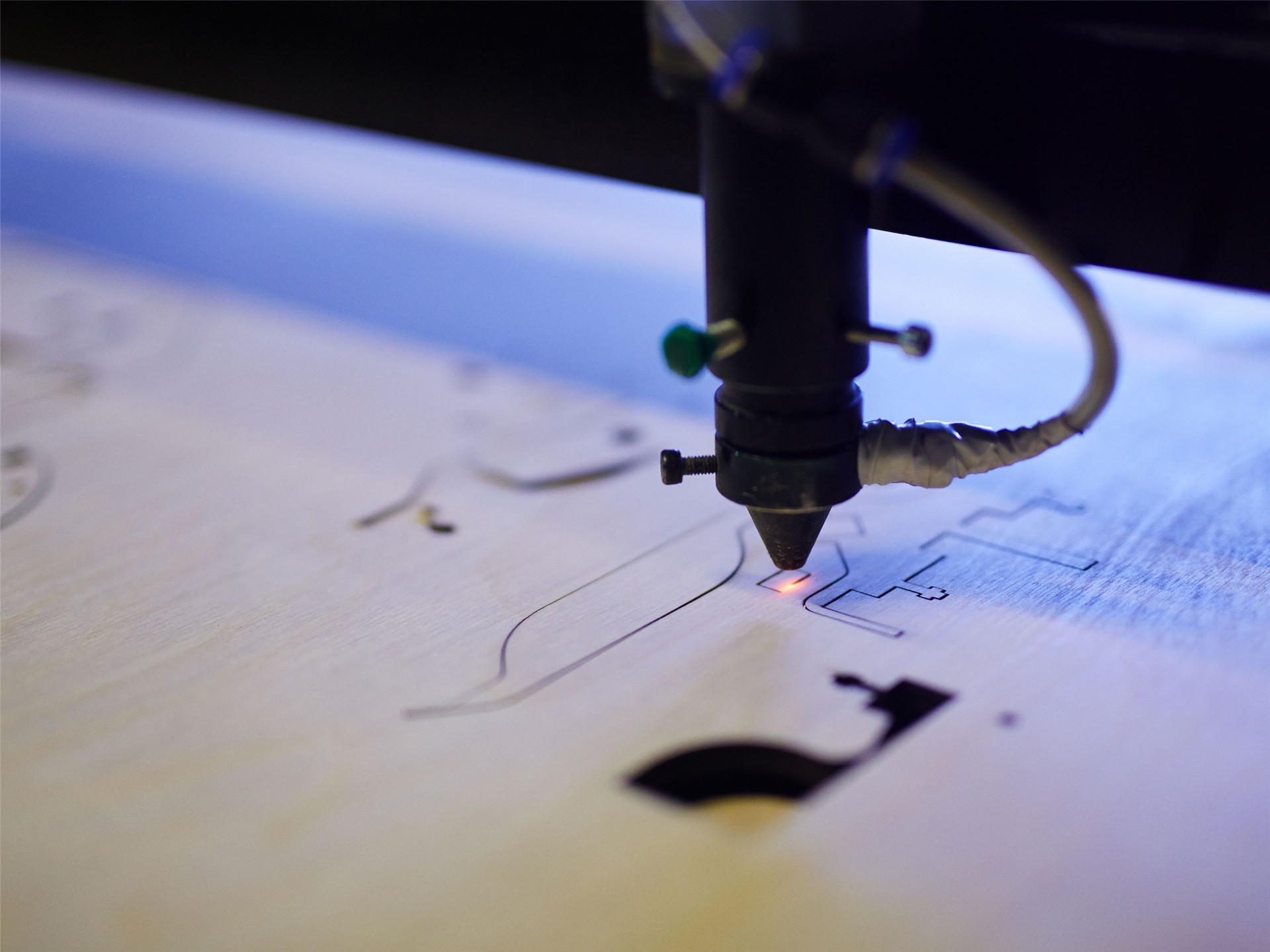
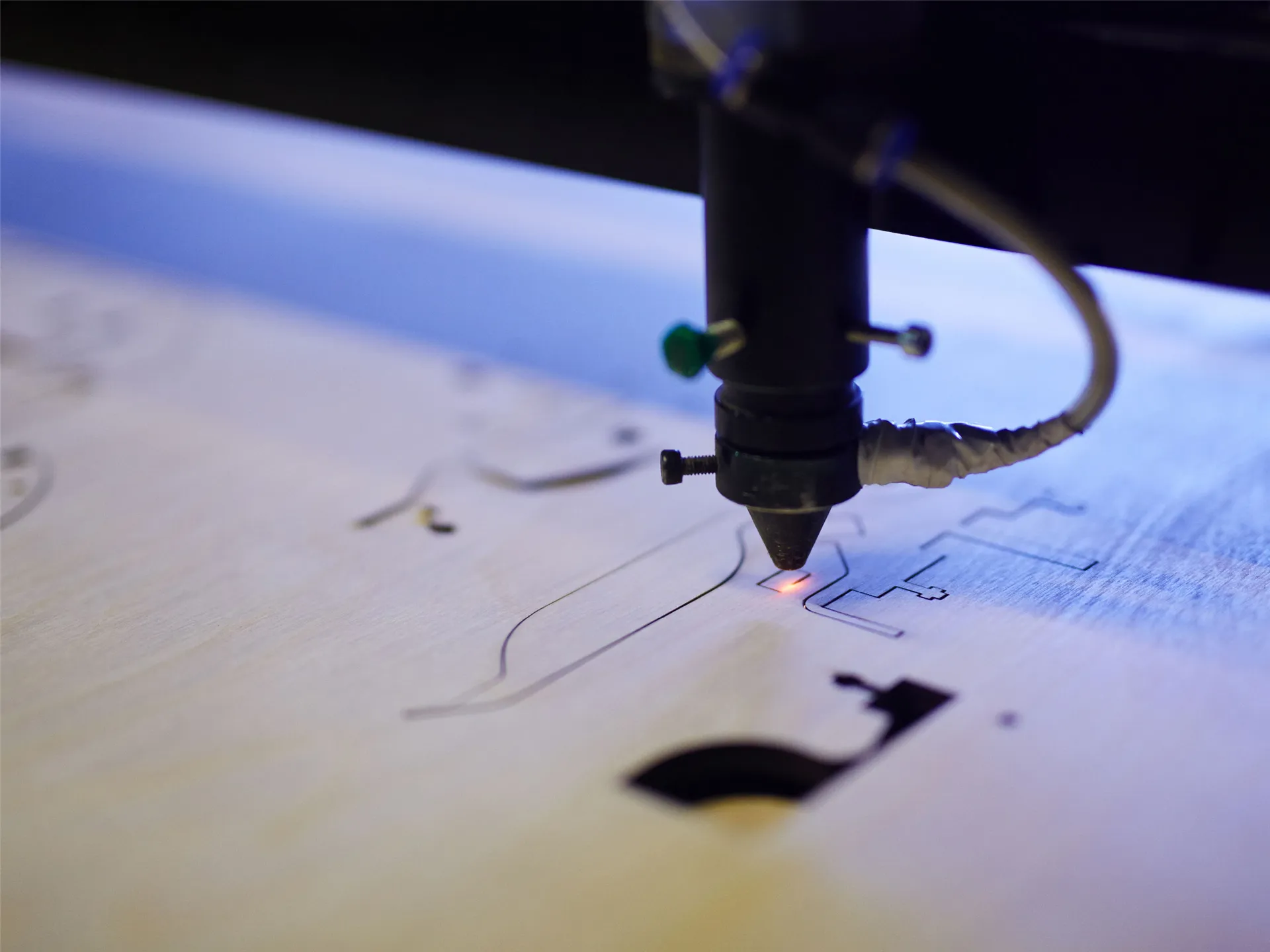
Laser cutting is a precision cutting process that uses a highly concentrated laser beam to cut metal materials with exceptional accuracy. It is widely used for producing complex shapes, detailed components, and high-quality finished products.
Advantages of Laser Cutting
-
High precision and accuracy
-
Clean and smooth cutting edges
-
Minimal material waste
-
Excellent performance on detailed designs
-
Ideal for mass production
-
Reduced need for secondary finishing operations
Because of its accuracy and efficiency, laser cutting is commonly used in industries that require high-quality components and tight tolerances.
What Is Plasma Cutting?
Plasma cutting is a metal cutting process that uses a high-temperature ionized gas stream to melt and remove material. It is particularly effective for cutting thicker metal plates and is widely used in heavy industrial applications.
Advantages of Plasma Cutting
-
Fast cutting speeds on thick materials
-
Lower equipment investment costs
-
Suitable for large metal components
-
High production capacity
-
Effective for heavy-duty industrial applications
Plasma cutting is often chosen when speed and the ability to process thick materials are more important than ultra-high precision.
Comparing Laser Cutting and Plasma Cutting
Precision
Laser cutting offers significantly higher precision compared to plasma cutting. It is capable of producing extremely accurate cuts and intricate details that may not be achievable with plasma technology.
For projects requiring tight tolerances and detailed designs, laser cutting is generally the preferred choice.
Cut Quality
Laser cutting produces cleaner and smoother cutting edges, reducing the need for additional finishing operations.
Plasma cutting may leave rougher edges that often require secondary processing before the component is ready for use.
Performance on Thick Materials
Plasma cutting performs exceptionally well on thick metal materials and can often process heavy plates more efficiently.
While laser cutting can also handle thick materials, plasma cutting may offer advantages in certain heavy industrial applications.
Cost Considerations
Both technologies can provide cost-effective solutions depending on the project requirements.
Laser cutting is typically more efficient for precision manufacturing and complex parts, while plasma cutting may be more economical for large-scale cutting of thick materials where fine detail is not essential.
Applications of Laser Cutting
Laser cutting is commonly used in:
-
Automotive manufacturing
-
Machinery production
-
Electrical enclosures
-
Metal fabrication
-
Precision engineering
-
Decorative metal applications
Its ability to produce accurate and visually appealing results makes it ideal for industries with high-quality standards.
Applications of Plasma Cutting
Plasma cutting is widely used in:
-
Heavy steel fabrication
-
Construction projects
-
Shipbuilding
-
Industrial equipment manufacturing
-
Structural steel processing
-
Large metal component production
Its strength lies in processing thick materials quickly and efficiently.
Which Method Should You Choose?
The best cutting method depends on your project requirements.
Choose Laser Cutting If:
-
High precision is required
-
Clean edges are important
-
Complex geometries need to be produced
-
Material waste should be minimized
-
Consistent quality is a priority
Choose Plasma Cutting If:
-
Thick materials need to be processed
-
High cutting speed is required
-
Budget is a primary concern
-
Large metal components are being manufactured
Conclusion
Both laser cutting and plasma cutting offer valuable advantages in metal manufacturing. Laser cutting stands out for its precision, clean finish, and ability to produce detailed components, while plasma cutting provides excellent performance when working with thick materials and high-volume industrial applications.
Choosing the right cutting technology depends on factors such as material thickness, production volume, required accuracy, and project budget. By selecting the most suitable method, manufacturers can improve product quality, increase efficiency, and achieve better overall production results.